
Getting Started with Cycling After 60
Essential tips for building confidence and fitness when you're returning to cycling or starting for the first time.
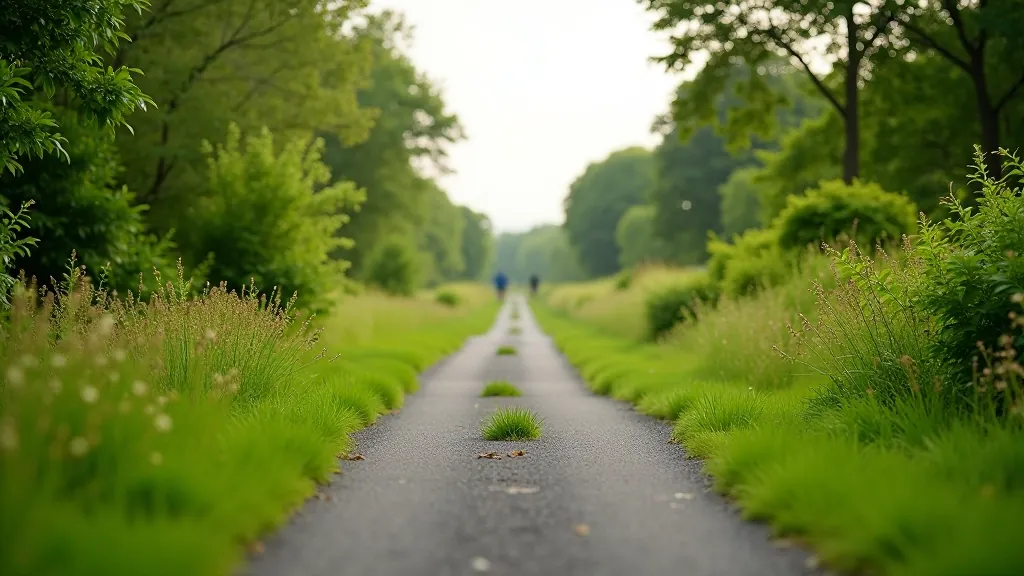
Finding the right bike can make all the difference in how much you enjoy your rides. Whether you're heading out on the Old Rail Trail or exploring local paths, the perfect bike should fit your body, match your riding style, and keep you comfortable mile after mile.
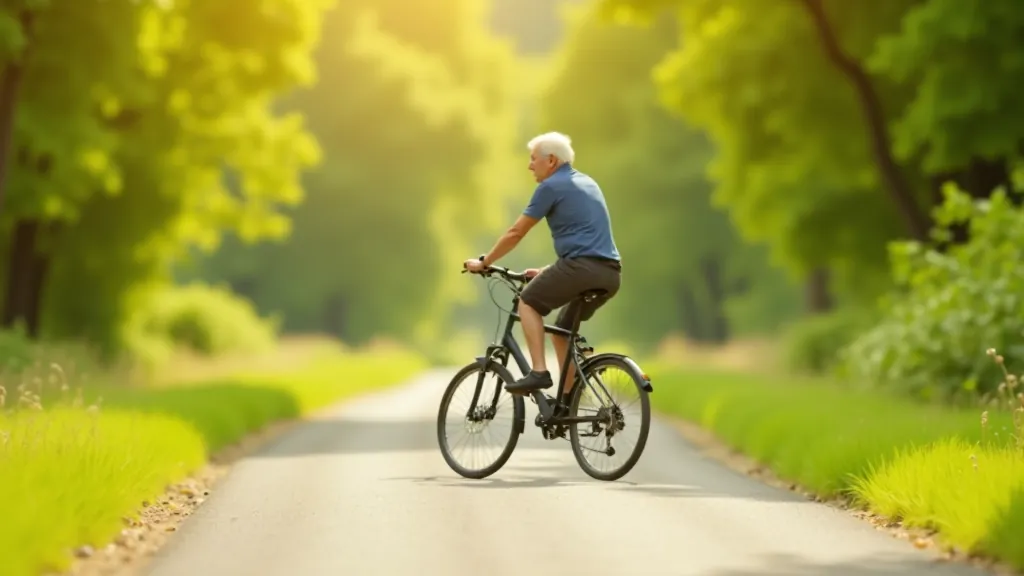
A poorly fitted bike creates problems that get worse the longer you ride. Your knees start aching, your lower back tightens up, and that shoulder pain creeps in after just a few miles. It's not you getting weaker — it's the bike working against your body instead of with it.
The good news? You don't need a fancy racing bike or something that costs thousands. You need a bike that suits your height, reach, and riding preferences. That's it. Once you've got that sorted, you can focus on enjoying your time outdoors instead of managing discomfort.
Different bikes are designed for different purposes. Understanding what each type does helps you pick the one that'll actually work for your rides.
The versatile middle ground. Wider tires than road bikes, upright riding position, and enough speed for trail riding. Great for the Old Rail Trail and mixed-surface paths. Most comfortable for longer casual rides.
Classic comfort design. Wide, padded seats, relaxed upright geometry, and heavier frames. Perfect for slower pace riding where comfort beats speed. The most stable feeling on flat paths.
Motor assistance makes longer distances easier. You're still pedaling, but the motor takes pressure off your legs on climbs. Won't get as much physical exertion, but you'll ride farther with less fatigue.
Built for rough terrain but often overkill for flat trails. Wider, knobby tires slow you down on pavement. If you're sticking to smooth paths, a hybrid does the job better with less rolling resistance.
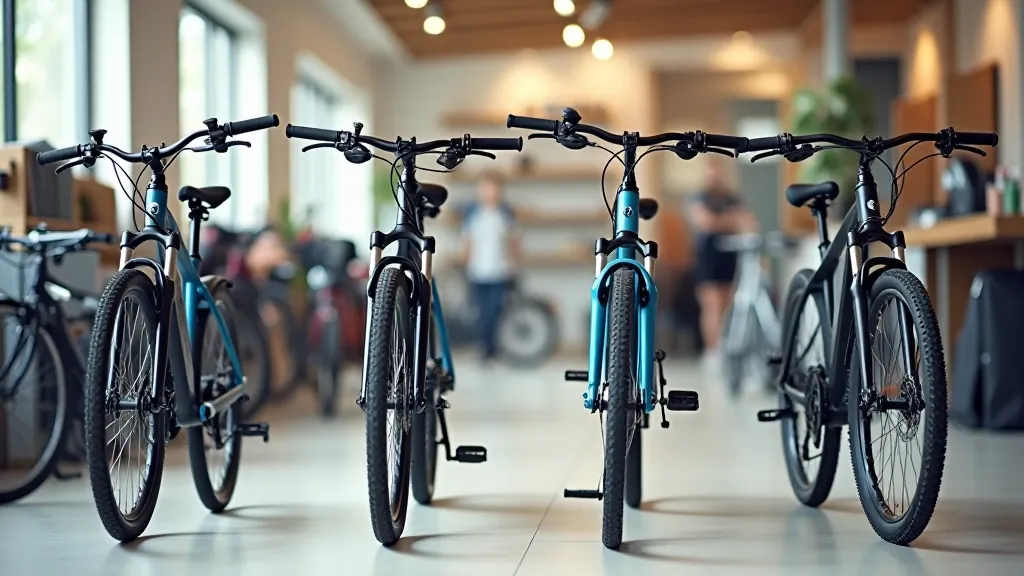
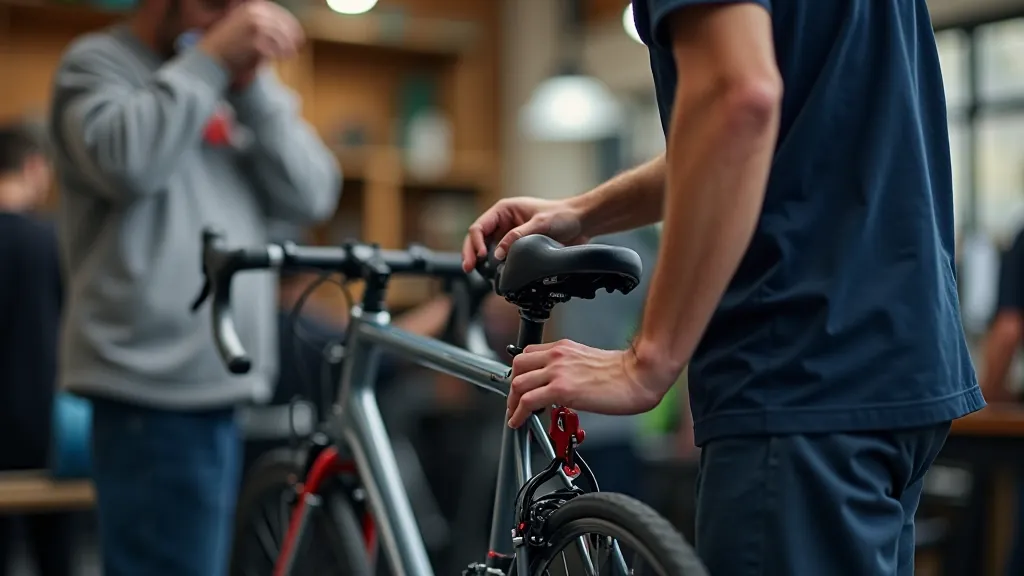
Frame size comes first. Your inseam measurement is the key. Stand in bare feet with your legs straight and measure from your crotch to the floor. Most bikes label sizes by frame height (usually 15–23 inches for adult frames).
Here's the practical test: straddle the bike frame with both feet flat on the ground. You should have 1 to 2 inches of clearance above the top tube. That's your safety margin if you need to step off quickly. Too little clearance and you're fighting the bike geometry. Too much and the bike feels unstable.
Seat height matters just as much. When you're sitting on the saddle with the pedal at its lowest point, your leg should have a slight bend — about 25 to 30 degrees. A leg that's too straight puts stress on your knee. A leg that's too bent wastes energy and causes cramping. You'll feel the difference immediately once it's adjusted right.
Beyond basic fit, several features make rides feel better on your body and joints.
Front suspension absorbs bumps from roots and rocks. You don't need it for smooth trails, but it's a real difference-maker on rougher paths. Reduces jarring through your shoulders and neck.
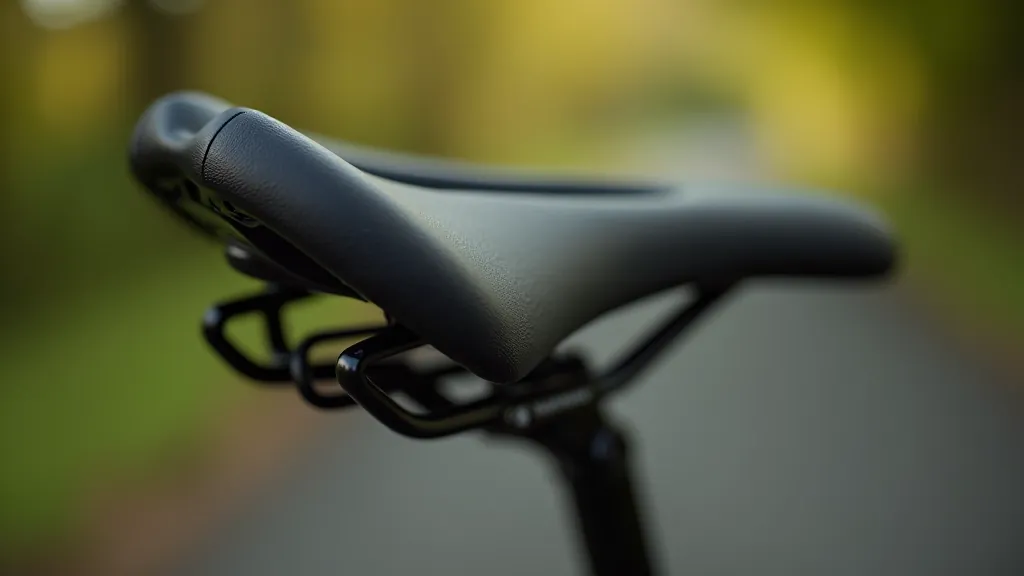
Wide, padded saddles distribute weight better than narrow racing seats. Look for one with a cutout or channel — takes pressure off sensitive areas. Test-ride a few. What's comfortable varies from person to person.
Drop bars force you into a racing position and stress your wrists. Upright or slightly swept bars keep your weight centered and reduce arm strain. You'll feel more stable and in control on casual rides.
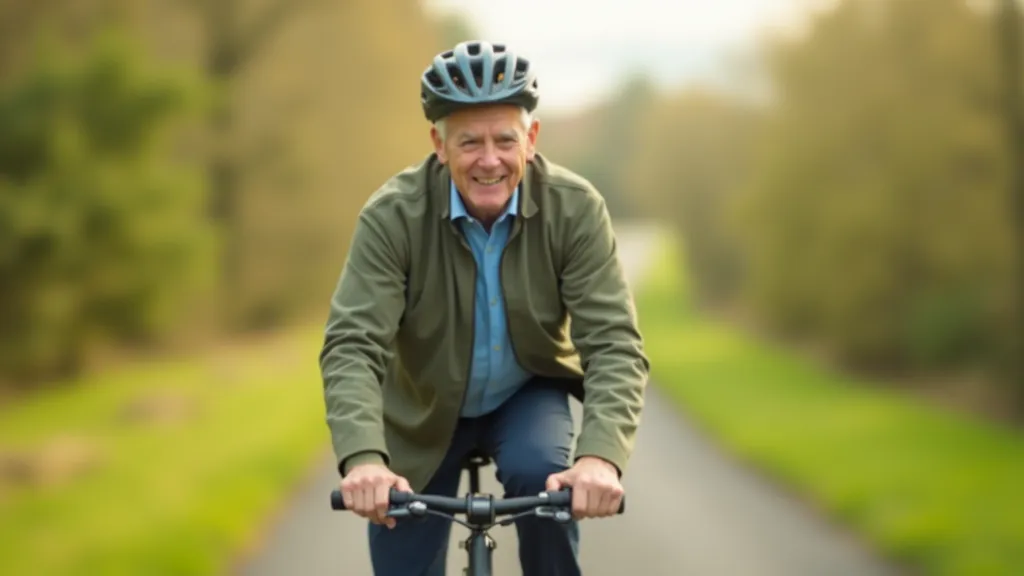
The right bike for comfortable riding isn't about having the fanciest model or spending the most money. It's about getting a frame that fits your body, choosing a bike type that matches your riding style, and then taking time to adjust the seat and handlebars properly.
Start with a good hybrid or cruiser if you're heading out on flat trails like the Old Rail Trail. Get the fit sorted at a local bike shop — most will do this for free or a small fee. Then take it out for a short ride before committing. Your body will tell you immediately if something's off.
Once you've got a comfortable bike, the miles add up naturally. You'll find yourself riding more often, exploring farther, and genuinely enjoying your time outdoors. That's the whole point.
This article is informational and educational in nature. Bike fit and comfort vary between individuals. Consider consulting with a professional bike fitter or visiting a local bike shop for personalized advice. Always wear a helmet and follow local cycling safety guidelines.