
Getting Started with Cycling After 60
Essential tips for building confidence and fitness when you're returning to cycling after years away.
Read ArticleDiscover everything you need to know about Ireland's most scenic flat cycling route. From route planning to what to bring, we've got you covered for a brilliant day on the trail.
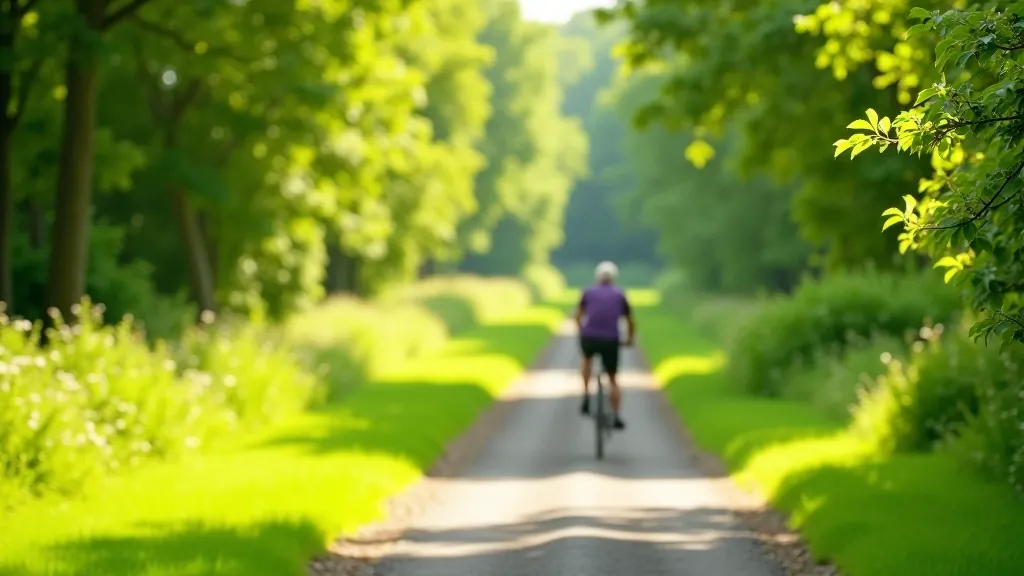
The Athlone to Mullingar Old Rail Trail isn't just a cycling route—it's one of Ireland's most accessible outdoor adventures. Built on a decommissioned railway line, it offers a completely flat, traffic-free path that stretches 42 kilometers. That's the kind of distance you can actually enjoy without fighting hills or dodging cars.
What makes it special? You'll cycle through genuine Irish countryside. Woodlands, wetlands, small villages. The route's been around since 2013, and it's proven itself time and again as the perfect introduction for people getting back into cycling. No prior experience needed. Plenty of people do it every season—families, solo riders, groups of friends tackling it together.
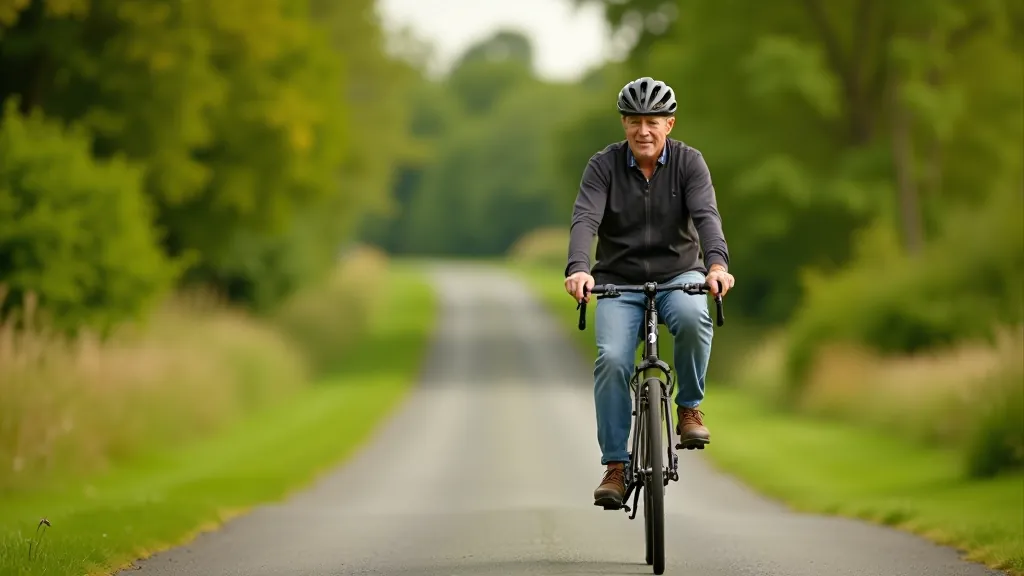
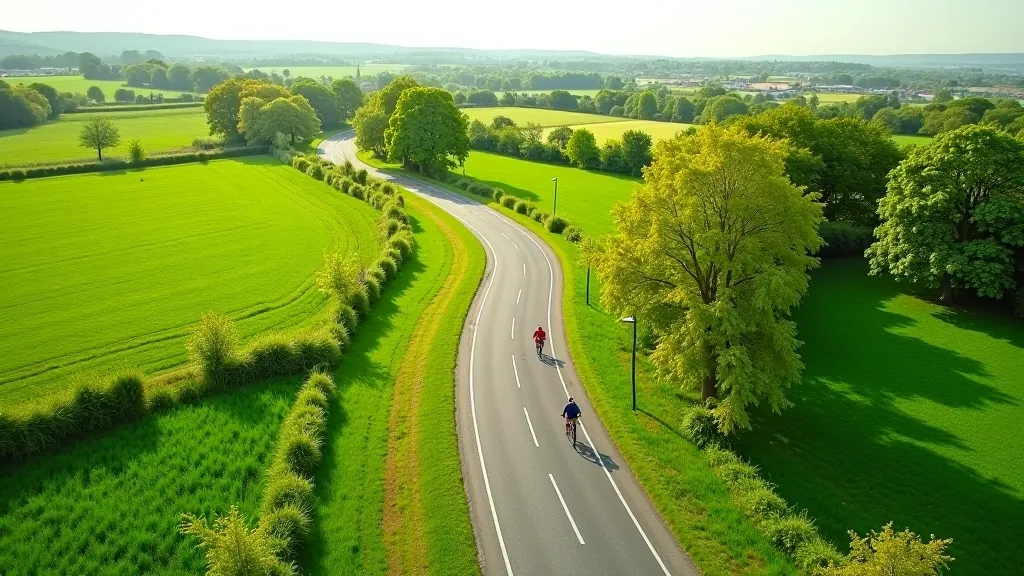
The full trail runs 42 kilometers one way, which means a round trip is roughly 84 kilometers. That sounds like a lot, but here's the thing—you don't have to do it all in one day. Most people who aren't regular cyclists break it into sections.
You've got options. Start from Athlone and cycle to Mullingar, then reverse it. Or pick a midpoint—there are small towns along the route where you can stop, have lunch, and turn back. Ballinacargy sits roughly halfway. It's got a pub and a couple of shops. The scenery doesn't really change dramatically between start and finish, which is honestly nice. You're not chasing views—you're just enjoying consistent, pleasant cycling through farmland and forest.
Pro tip: If you're doing the full 42km one way, expect 3-4 hours at a relaxed pace. Don't rush. The trail's built for enjoyment, not speed records.
Bring at least 2 liters of water, especially on warmer days. Energy bars, fruit, and sandwiches work well. There's a pub at Ballinacargy if you want a proper break.
A spare inner tube, tire levers, and a pump. The trail's flat so punctures aren't catastrophic, but you'll want to fix one if it happens. Takes maybe 10 minutes with basic practice.
Irish weather's unpredictable. Bring a lightweight rain jacket, even if the forecast looks clear. Sunscreen too—reflection off the path can sneak up on you.
Helmet, obviously. Lights if you're cycling in low light. Reflective gear isn't essential on the trail itself, but it's good practice. Better safe than sorry.
Your phone for emergencies and navigation. An ID or emergency contact card too. It's remote enough that you'll want to be reachable if something goes wrong.
The scenery's lovely, especially spring and autumn. A camera or just your phone camera works fine for capturing memories of the route.
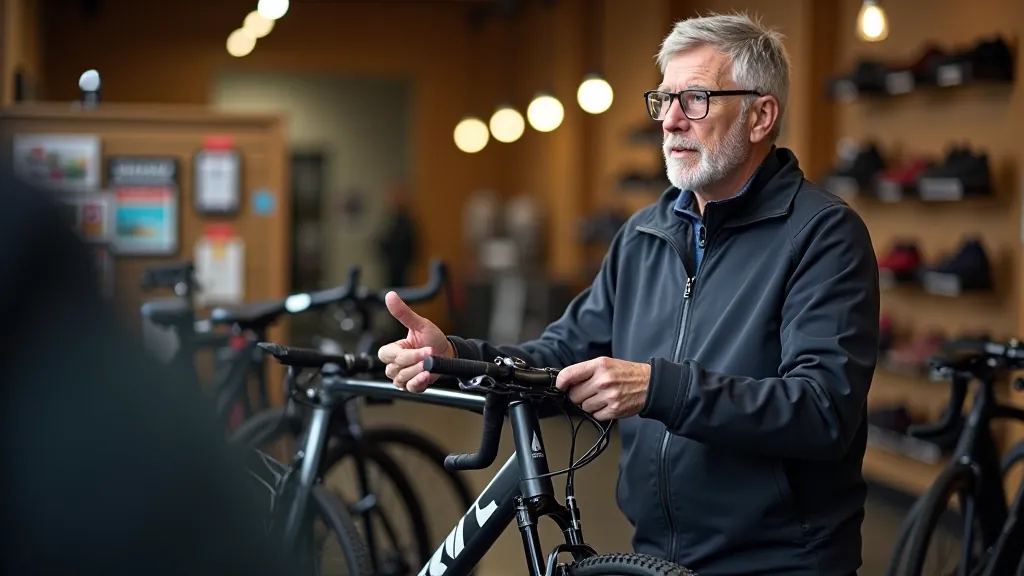
You'll notice the trail's quietness first. No traffic sounds, no car fumes. Just your bike, the path beneath you, and the occasional bird. The surface is tarmac, so it's smooth. You're not fighting gravel or rough terrain. It's genuinely pleasant to ride on.
The flatness is real. Because it's built on a railway line, there aren't any significant climbs. You won't be gasping for breath on a hill. That's why people return to this trail—it's achievable. A day here doesn't feel like a test of fitness. It feels like a proper outing.
You'll pass through small villages—places like Ballycumber and Ballinacargy. Nothing fancy, just real Irish villages where people live. Stopping for a cup of tea in a local café is part of the experience. People who've cycled the trail before always mention that. It's not just about the distance. It's about the rhythm of a day spent outdoors, moving under your own power, seeing landscape change gradually around you.
"Wasn't sure I'd manage the whole thing, but taking it at my own pace made all the difference. Stopped halfway, had a proper break, and just enjoyed being outside. Came back the next season."
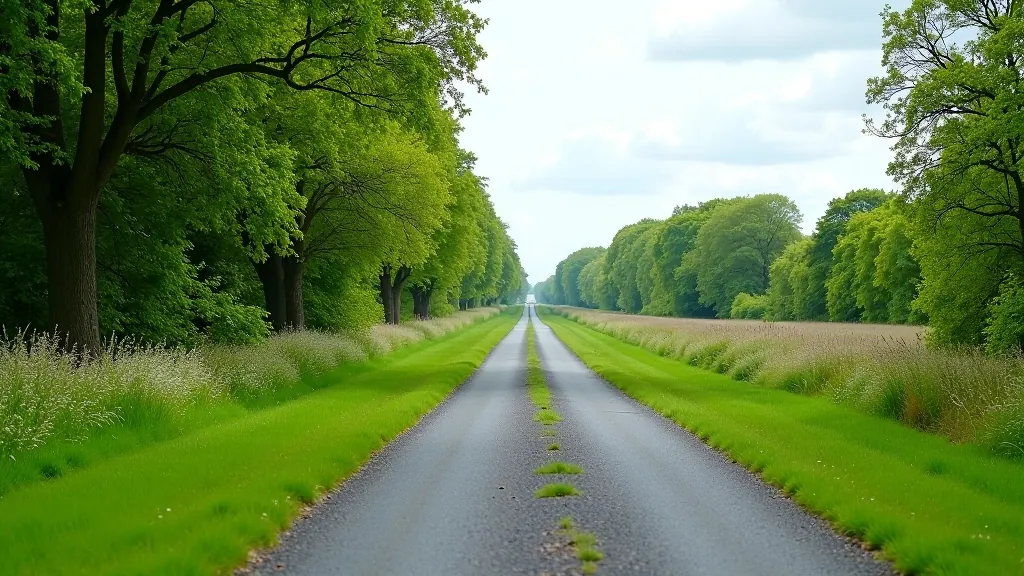
Temperature's rising but not hot yet. Wildflowers along the trail. Days are getting longer. March can still be chilly, but April and May are brilliant. You'll have plenty of daylight and comfortable riding conditions.
Warmest months, longest days. You can cycle early morning or late evening to avoid heat. June and early July are excellent. August can get busy with holiday traffic on surrounding roads.
Temperature's moderate, humidity drops. Colors change along the route. September's perfect—warm enough but not hot. October's pleasant but shorter daylight means earlier starts if you want to complete a full route.
Cold and short days. Rain's common. It's doable if you're prepared—thermal layers, waterproof jacket, lights. Just know what you're getting into. Some cyclists enjoy it. Others wait for spring.

The Old Rail Trail Athlone to Mullingar isn't complicated. You don't need fancy equipment or years of cycling experience. You need a bike that works, some water, and a willingness to spend a day outside. That's it. Thousands of people cycle this route every year—families, solo riders, groups. It's become what it is because it actually delivers what it promises: a pleasant, flat, traffic-free day out in the Irish countryside.
Start early if you're doing the full route. Take breaks. Enjoy the scenery. Stop at Ballinacargy for a proper lunch if you want. There's no rush. The trail will be there next season too, and the season after that. This is the kind of cycling that becomes habit—the kind you plan your weekends around.
Want more guidance on getting started? We've got resources on bike selection, safety, and what to expect when you're cycling solo.
Explore More ArticlesThis guide is provided for informational purposes to help you plan a cycling trip on the Old Rail Trail. Cycling involves inherent risks including falls, collisions, and physical strain. You're responsible for assessing your own fitness and capabilities. Always wear appropriate safety gear, follow local cycling regulations, and check trail conditions before your visit. Weather and trail conditions can change. Consider consulting your doctor before undertaking significant physical activity, especially if you have existing health conditions. This guide doesn't replace professional instruction or safety training.